Driving Test Success Tips: Your Ultimate Guide to Passing with Confidence
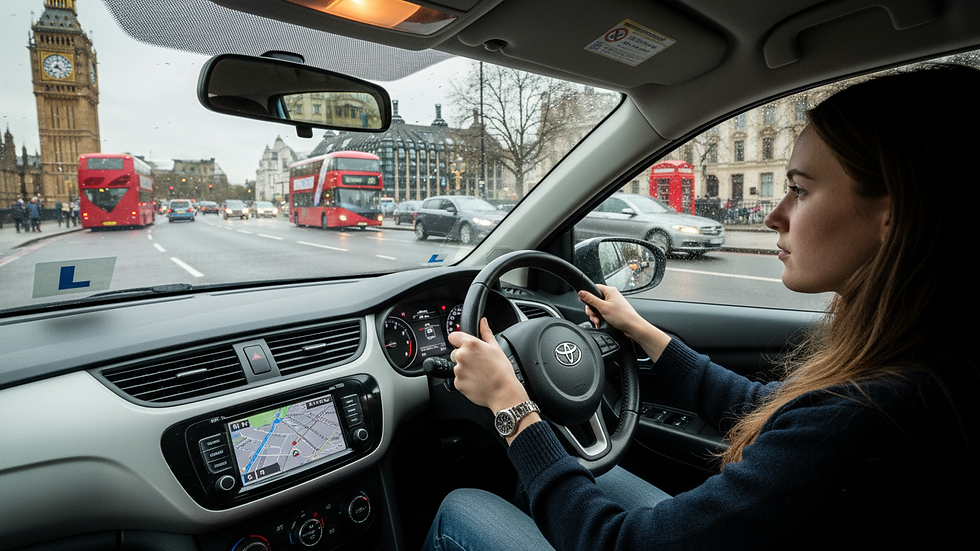
Taking your driving test can feel like a big deal. You might be nervous, unsure, or just wondering where to start. I get it. Passing your driving test is not just about knowing the rules - it’s about feeling ready and confident behind the wheel. In this guide, I’ll walk you through practical steps and tips to help you prepare effectively and pass your test with flying colours.
Driving Test Success Tips: What You Need to Know
First things first, let’s talk about what really helps you succeed. It’s not just about memorising the Highway Code or practising a few manoeuvres. It’s about building skills, understanding the test format, and managing nerves.
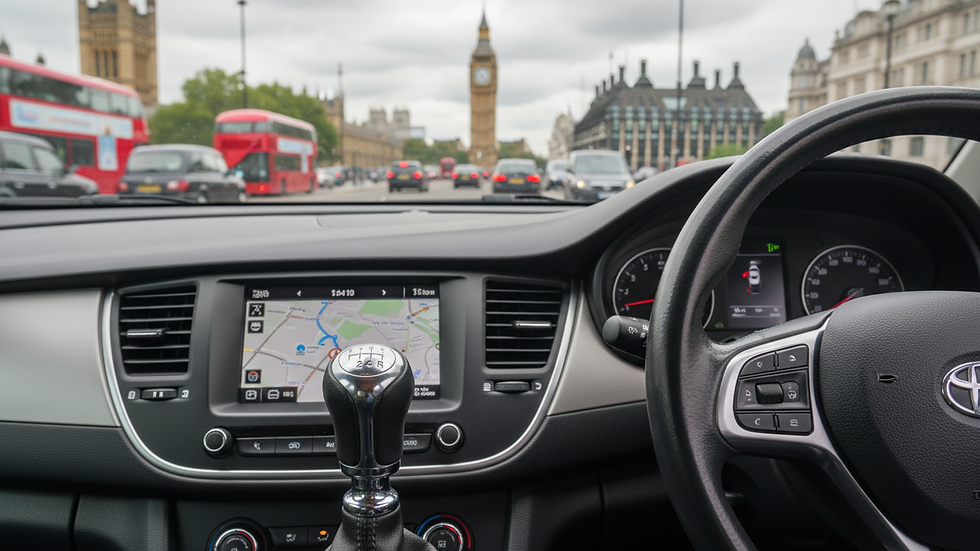
Know the test format: Familiarise yourself with the structure of the test. You’ll have a practical driving section, including general driving, specific manoeuvres, and an independent driving part where you follow directions or a sat nav.
Practice regularly: Consistency is key. Try to get behind the wheel as often as possible, ideally with a qualified instructor who knows the test routes and requirements.
Focus on control and observation: Your examiner wants to see that you can control the car smoothly and keep a good lookout. This means checking mirrors regularly, signalling clearly, and being aware of other road users.
Stay calm and positive: It’s normal to feel nervous. Take deep breaths, and remember that mistakes happen. What matters is how you recover and keep safe.
If you want to dive deeper into driving test preparation, there are plenty of official resources and practice materials online. Use them to supplement your lessons and build confidence.

How to Prepare Practically for Your Driving Test
Preparation is more than just theory. Here’s how you can get ready in practical terms:
Book lessons with a reputable instructor: A good instructor will tailor lessons to your needs and help you improve weak areas.
Practice test routes: If possible, drive on the routes commonly used for tests in your area. This helps you get used to the roads and typical challenges.
Master key manoeuvres: These usually include parallel parking, bay parking, reversing around a corner, and emergency stops. Practice these until you feel confident.
Simulate test conditions: Try a mock test with your instructor or a trusted driver. This helps you get used to the pressure and format.
Check your vehicle: Make sure the car you use for the test is roadworthy, clean, and has all necessary documents.
Remember, the goal is not just to pass but to become a safe, confident driver for life.
Do I Fail if I Can’t Parallel Park?
This is a question I hear a lot. Parallel parking can seem tricky, but here’s the truth: not being perfect at parallel parking doesn’t automatically mean you fail your test.
The examiner looks at your overall driving ability. If you struggle with parallel parking but handle other parts of the test well, you might still pass. However, if you make serious errors or unsafe moves during the manoeuvre, that could be a problem.
Here’s what you can do:
Practice parallel parking in different spots: Try it on quiet streets, then gradually move to busier areas.
Use reference points: Learn how to judge distances using kerbs, other cars, and your mirrors.
Stay calm and take your time: Rushing can cause mistakes. It’s better to do it slowly and safely.
Ask your instructor for tips: They can show you techniques that work best for you.
If parallel parking worries you, focus on it during your lessons. Confidence here can boost your overall test performance.

Managing Test Day Nerves: Tips to Stay Calm and Focused
Feeling nervous on test day is completely normal. Here’s how to keep those nerves in check:
Get a good night’s sleep: Being well-rested helps your concentration.
Eat a light, healthy meal: Avoid heavy or sugary foods that might make you jittery.
Arrive early: Give yourself plenty of time to get to the test centre without rushing.
Practice deep breathing: Slow, deep breaths can calm your mind and body.
Visualise success: Imagine yourself driving confidently and passing the test.
Remember it’s okay to make minor mistakes: Examiners expect some nerves and small errors. What counts is your overall safe driving.
If you feel overwhelmed, don’t hesitate to tell your examiner. They’re there to help you, not to trip you up.
After the Test: What’s Next?
Once you’ve passed, congratulations! But your journey as a driver is just beginning. Here’s what to keep in mind:
Keep practising: The more you drive, the better you’ll get. Try different roads, weather conditions, and times of day.
Consider advanced driving courses: These can improve your skills and reduce insurance costs.
Stay updated on road rules: Laws can change, so keep an eye on official updates.
Drive responsibly: Always prioritise safety for yourself and others.
If you didn’t pass this time, don’t be discouraged. Many drivers don’t succeed on their first try. Use the feedback from your examiner to focus your next round of practice.
I hope this guide helps you feel more prepared and confident for your driving test. Remember, with the right approach and mindset, you can pass and become a safe, skilled driver for life. Good luck out there!